
Why Casting Quotes Expire: Steel, Energy and Labor Explained
Publication Date : 2026-11-04 03:10:38
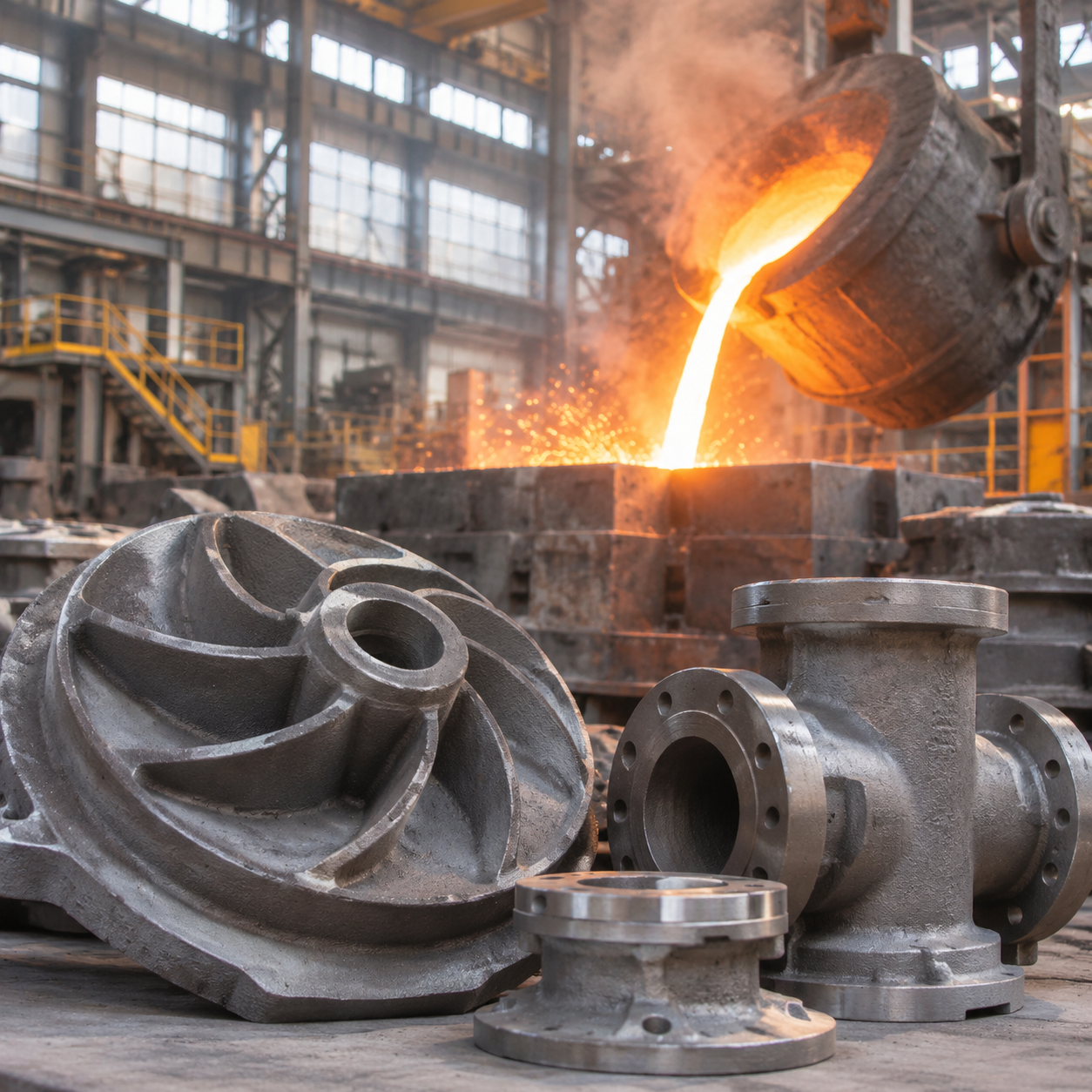
A casting quote is a snapshot of volatile input costs, not a permanent price. This article explains how foundries link quotes to steel and pig iron indices, why validity periods run 15 to 30 days, and how energy and labor move the number. It includes practical checklists for reading a quote, comparing validity windows, and locking price with index formulas or hedging clauses.
A Quote Is a Snapshot, Not a Price List
When a foundry sends a quotation for a machined steel casting, it is pricing three moving inputs at once: the metal melted in the furnace, the electricity or gas that melts it, and the hours of molding, pouring, grinding and inspection. A quote valid for 30 days is a bet that none of those three will move much before the purchase order lands. In a normal steel market that bet costs little. In a market where scrap and pig iron can move 8-15% in a quarter and electricity tariffs reset on short notice, the foundry either shortens the validity window or adds a re-pricing clause. Neither is a negotiating trick; both are how the shop avoids selling below cost.
The practical consequence for buyers is simple: the number on the quotation is the price for the scope and the date stated on it. Treat the validity period as part of the specification, the same way you treat wall thickness or tolerance class. A quote with no stated validity, or one that says "subject to change," is not a firm offer and should not be used to build a landed-cost model.
How Foundries Link Quotes to Steel and Scrap Indices
Most steel casting quotes are built from a cost breakdown: metallic charge (scrap, pig iron, ferroalloys), melting energy, consumables (sand, resin, refractory), direct labor, and margin. The metallic charge is usually the largest single line, often 35-50% of the piece price for plain carbon and low-alloy steel castings. Because that share is large and visible, buyers increasingly ask for index linkage rather than a flat number. A typical clause fixes a base index value on the quote date and adjusts the price by the change in that index multiplied by the metal content of the casting, usually with a dead band of 2-3% so small moves are ignored.
Which index depends on the foundry's charge mix and your location. Chinese foundries commonly reference domestic scrap or pig iron assessments published by metal pricing services, or the foundry's own purchase invoices. European and North American shops often reference published scrap grades such as shredded or heavy melting scrap. The chart below shows typical weight shares in a cost breakdown for a medium-complexity carbon steel casting; the metal and energy shares are the ones that drive re-quoting.
Ask the supplier which index, which publication, and which base date. If the answer is vague, the re-pricing clause will be vague too, and you will discover the formula only when the invoice arrives.
Energy and Labor: The Slower but Steadier Movers
Melting energy is the second lever. Induction furnaces consume roughly 500-700 kWh per ton of liquid steel depending on charge quality and superheat; cupola and gas-fired routes differ but follow the same logic. Where industrial tariffs are set quarterly or half-yearly, a foundry quoting in month one of a tariff period can hold price for that period but not beyond it. That is one reason validity windows cluster around 15-30 days: long enough to cover a buyer's approval cycle, short enough to stay inside one energy and scrap pricing period.
Labor moves more slowly but does not reverse. Wage rates and shift premiums are usually revised annually, and foundries plan around them. A quote that spans a known wage revision date, or a Chinese New Year labor shortage, carries hidden risk that the shop will price in. If your RFQ timing lands near those dates, expect either a shorter validity or a slightly higher number. The bar chart shows how typical validity windows differ by cost environment; the pattern is consistent across suppliers even when absolute prices differ.
A Buyer's Checklist for Quote Validity and Hedging
You do not need to accept whatever validity the supplier offers. You need to know what you are accepting. Use the checklist below when comparing quotes, and put the agreed mechanism in the PO, not just in email.
Foundries hedge in three common ways: buying scrap or pig iron forward for confirmed orders, fixing energy contracts where the market allows, and adding index clauses that pass residual risk to the buyer. Each has a cost. A supplier who offers a 90-day firm price is either carrying that risk in the margin or has already bought the metal. Ask which, and expect the answer to show up as a few percent in the price.
- Check the stated validity date and whether it starts from quote date or receipt date.
- Confirm the index name, publication, base value and base date in the re-pricing clause.
- Ask for the dead band (typically 2-3%) and the review frequency (monthly or quarterly).
- Identify whether energy is fixed for the validity period or passed through.
- Confirm whether the price assumes a specific charge mix and what happens if you change material grade.
- For orders above a few tons, ask whether the foundry will fix metal cost against a deposit.
- Tie payment milestones to delivery, not to index movements, to avoid double exposure.
What to Do When a Quote Expires
When a quote lapses, do not simply ask for the same number again. Ask for the updated cost breakdown and compare line by line against the original. If only the metallic charge moved, an index adjustment is fair and easy to verify. If labor and margin moved too, ask why. A supplier who can show the movement has a credible case; one who cannot is repricing to the market, which is their right but should be visible.
For repeat business, the cleanest structure is a base price plus a published formula reviewed monthly or quarterly, with a cap on single-period movement, for example 10% per review. That gives the foundry protection and gives you a number you can forecast. It also turns the expiry conversation into a routine calculation instead of a negotiation.
Frequently Asked Questions
How long should a casting quote be valid?
For carbon and low-alloy steel castings in a normal market, 30 days is standard, with 15 days common when scrap or energy is moving. Stable markets can support 60 days. Anything beyond 60 days should come with an index clause or a firm-price premium.
Can I ask a foundry to hold price for six months?
You can ask, but expect either a risk premium of a few percent or a refusal. A better structure is a firm price for the first 30 days plus a metal-index adjustment thereafter, with a dead band and a cap per review period.
What index should a steel casting quote reference?
Use the index that matches the foundry's actual charge mix and is publicly verifiable, such as a published scrap grade or pig iron assessment. Fix the publication, the base date and the base value in the PO so both sides calculate the same adjustment.
Looking for a reliable casting supplier? Request a quote from Intercontinental Casting — our engineering team replies within one business day.